Today is a gift. When I opened my eyes this morning, I felt an overwhelming sense of gratitude—not because everything in my life is perfect, but because God allowed me to see another day. That alone is a reason to rejoice.
Life after HIV is not always easy. There are mornings when fear, stigma, or even shame try to creep in. But then I remember: I am still here. God still has a purpose for me. And if you’re reading this today, He has a purpose for you too.
Every sunrise is a reminder that yesterday’s mistakes, struggles, and battles do not define us. Today is fresh, new, and full of promise. We get the chance to walk in grace, to live in hope, and to love with open hearts.
No matter what you’re facing, choose gratitude. Thank God for the breath in your lungs, the strength in your body, and the opportunities waiting ahead. A grateful heart shifts our perspective—it takes our eyes off what we’ve lost and sets them on what we still have.
Don’t forget to Journal!
💡 Morning Reflection:
What are three things you can thank God for this morning? How can you use today to encourage someone else who may feel hopeless? Can you remind yourself, right now, that you are not your diagnosis—you are God’s beloved child?
Take this day slowly, intentionally, and joyfully. Walk in the light of God’s mercy and embrace the blessings hidden in every moment.
✨ Declaration for Today:
“I am grateful for life, grateful for grace, and grateful for the chance to live with purpose. Today, I will shine.”
Good morning, my friends. Let’s step into this day with gratitude and courage.
It’s important to know the history and how it affects us. What was it then and what it is now!!!
KEY POINTS
HIV is a virus that attacks the body’s immune system.
The only way to know if you have HIV is to get tested.
There are many ways to prevent HIV, like using PrEP, PEP, condoms and never sharing needles.
HIV treatment helps people live long, healthy lives and prevents HIV transmission.
HIV (human immunodeficiency virus) is a virus that attacks the body’s immune system. Without treatment, it can lead to AIDS (acquired immunodeficiency syndrome).
There is currently no effective cure. Once people get HIV, they have it for life. But proper medical care can control the virus.
People with HIV who get on and stay on effective HIV treatment can live long, healthy lives and protect their partners.
Has living with HIV or AIDS prevented you from getting a job or earning gainful income for yourself and your family? Disability benefits, despite a long application process and strict criteria, may offer the financial support and time you need to get your health back on track.
Most people with HIV who are on regular treatment are able to live long and healthy lives. However, people living with HIV/AIDS sometimes develop impairments caused by opportunistic infections and related illnesses that may qualify as medical disability. Social Security disability benefits help replace lost income for people who are unable to work due to certain illnesses, injuries, and other health conditions.
null
There are two different federal disability programs in the United States, Social Security Disability Income (SSDI) and Supplemental Security Income (SSI), and they’re both overseen by the Social Security Administration (SSA). The programs have similarities, including the medical criteria they use to determine if someone is eligible to receive them. But they have some key differences. SSDI provides benefits — funded through payroll taxes — to people who previously had full-time work but are now unable to work due to a disability that’s expected to last for at least 12 months or to end in death.
SSI provides benefits to people with disabilities who haven’t worked the required time period and have very limited income and assets.
As with any other federal program, the SSA has strict criteria for your financial and medical information in order to apply for SSDI and/or SSI. In this article, we lay out some of the major things you should consider when thinking about applying for disability benefits.
1. The Social Security Administration Has Strict Definitions for ‘Disability’
Generally, Social Security disability claims are first processed through a network of local SSA field offices and state agencies — usually called Disability Determination Services (DDSs). The field offices are tasked with verifying whether a person meets eligibility requirements that aren’t health-related, such as age, employment status, and marital status. The DDSs are responsible for developing medical evidence and making the first determination as to whether an applicant is considered disabled.
Among the criteria the SSA will consider when you apply for Social Security disability benefits:
You must have a recognized disability. The Social Security Administration provides a Listing of Impairments. “Human immunodeficiency virus (HIV) infection” is listed under “Immune System Disorders.”
You must be incapable of performing basic tasks required for most jobs, including standing for extended periods, walking, lifting, sitting, and remembering.
You must be unable to do any other form of sustainable work. The Social Security Administration will consider your diagnosis, age, medical history, education, and work experience, as well as any other skills you have that might be applied to work.
If you are working in 2023 and earning more than $1,470 per month on average (or $2,460 if you’re blind), you generally won’t be considered to have a qualifying disability.
Some HIV-related infections and disorders could potentially become severe enough to prevent you from working or earning meaningful income. In people living with HIV or AIDS, qualifying illnesses may include:
Infections, including bacterial, fungal, protozoan, or viral infections
Abnormalities, including those that are neurological (brain-related), hematologic (blood-related), cardiovascular (heart-related), nephropathic (kidney-related), or dermatologic (skin-related)
The SSA and DDS determine disability on a case-by-case basis, so qualification for people living with HIV is not a guarantee. However, if any of these HIV-related complications have prevented you from working, you may want to consider applying for disability benefits.
2. Eligibility Requirements for SSDI and SSI Have Some Differences
Your eligibility for SSDI or SSI will depend on various factors — and it’s possible to be eligible for both.
To quality for SSDI, a person must:
Meet SSA’s definition of being disabled
Have worked long enough — and recently enough — in a job covered by Social Security
Be younger than their full retirement age
Be unable to work due to a medical condition expected to last at least 12 months or result in death
Have neither a partial nor a short-term disability
For an adult to be eligible for SSI, they must:
Be 65 or older, blind, or have a disability
Be a U.S. citizen or a national of the U.S., though some noncitizens are eligible
Be a resident of one the 50 states, the District of Columbia, or the Northern Mariana Islands
Have limited income — As of 2023, that means less than $934 in unearned income or $1,913 in earned income per month for an individual, and less than $1,391 in unearned income or $2,827 in earned income per month for a couple.
Have limited resources (things you own) — As of 2023, resources must be worth more than $2,000 for an individual and $3,000 for a couple. The SSA has a large list of which resources do and don’t count toward this limit, e.g., a primary residence or a car do not count.
The amount of disability benefits you may qualify for depends on your previous earnings, the state you live in, and how long you have been unemployed. See the Social Security Administration publications on SSDI benefits and SSI benefits for more specific information about qualifications.
3. The Application Process Can Be Time-Consuming
Applying for disability benefits requires gathering a lot of paperwork and coordinating with your health care team. Below is a summary of what you’ll need to provide.
Personal and Family Member Information
Your full legal name, date of birth, and Social Security number
Full names and dates of birth of your current or previous spouses, and dates of marriage, divorce, or death
Full names and dates of birth of your children
Bank account information
Medical Evidence
Medical evidence is typically the most important component of a disability application. Make sure your treatment team is aware that you’re applying for disability so they can document your condition accordingly. Documentation is especially important if you are required to have a disability evaluation.
You may need the following documentation for your application:
The name and contact information of members of your health care team who can discuss your condition
A complete list of medications, both past and present
A description of how your symptoms affect your ability to do daily activities
Total Employment History
Earnings from the past year
Any current employers or those you have worked for in the past two years
A complete work history from the last 15 years, including any jobs from before you became disabled
Whether you are getting or intend to receive workers’ compensation
Military service
Documents
Birth certificate
Social Security card
Proof of citizenship
W-2 or other tax forms from the previous year
Any medical records about your condition
Proof of any workers’ compensation you have received
The SSA website can help walk you through the process of applying for SSDI and SSI.
How To Apply
If you are applying for SSDI or SSI, you have the option to apply online, by mail, or in person at your local Social Security office.
The online application is a quick and efficient option, but if you have limited access to a computer, then you can apply at your local office. The office locator can help you find the office nearest you.
If you wish to mail your documents, make sure to put a small piece of paper in the envelope with your Social Security number written on it to link all documents together. Do not write on the original documents you provide.
At any point in the process, you can call 800-772-1213 on weekdays from 8 a.m. to 7 p.m. to apply by phone or inquire about your application.
Review Process
Once you submit your application, the SSA will review it to see if you meet their basic requirements and have worked enough years to qualify. They will review your current employment activities and send the application to the DDS. Then, the state agency will determine whether you have an eligible disability and make the final decision.
Generally, it takes three to six months for the agency to provide an initial decision, which will come in the mail and online.
If you do not agree with the decision made by the state agency, you have the right to request an appeal within 60 days. At this stage, depending on your reasons for an appeal, your application could be reconsidered, heard by a judge, reviewed by a council, or reviewed by federal court.
Maintaining Benefits
Once you are awarded benefits, you will be assigned a disability case worker and will have to regularly check in to make sure your situation hasn’t changed. If you choose to go back to work at any point, it is important to keep in mind that your disability benefits will likely diminish or disappear.
4. Other Resources Are Available To Help
Even if you don’t qualify for Social Security disability insurance for your HIV, you may qualify for other government benefits and programs, including:
Medicare
Medicaid
Supplemental Nutrition Assistance Program, or SNAP, benefits
Individuals who qualify for SSDI are likely to qualify for Medicare after receiving benefits for 24 months. Those who qualify for SSI are likely to also qualify for Medicaid and SNAP benefits. However, the application process for each of these programs is separate and depends on the state in which you live. Additional resources can be found on the Ryan White HIV/AIDS Program website. Additionally, many states have nonprofit organizations that provide assistance with HIV-related health needs and paperwork.
Speak to your HIV care team for assistance with determining what resources and benefits may be available to you. Ask your primary care doctor for help understanding these and other programs in your state of residence based on your specific circumstances. Sometimes, clinics will have patient navigators or social workers who can help you connect to these essential resources
Support: Click and Order today! Help Destroy the Stigma
I tell the story often of how I became positive. I always want people to know that even with this diagnosis you can over come. I started Salvation After HIV/AIDS because I remember how it felt to hear my mother in Law at that time say, But she ate out of my plate. She sat on my toilet and she bathe in my tub. and my father in law say yall just going to lay up and kill each otheroff. It was crazy. I was expected to just roll with the punches. Folks don’t want to touch you. I laugh inside now because I understand that ignorance is bliss for some and weapons for others. I forgive quick but I was still cut. The damage was evident. Like a car that’s driveable after a wreck. For a while I did not want to share my status. I had went through a divorce. I had been called an AIDS infested whore by my ex-mother in law. Not to my face, but to other people. It was crazy. i remember when I got sick. My lymph nodes were swollen so big behind my ears. i have no idea what it was. Paid no attention to it for a year. I remember i had flu like symptoms and could barely stand up straight. I was attending the family church at the time. I remember the ex father in law came by to pick me up to finish the church sign I was painting. He was rushing me. I finished. Then the following sunday they typed up a letter and asked their son and I to leave. Children and all. Shaking my head at the thought. Years went by and my then Husband went to jail. I lost my apartment and had to move in with my mother in southpark. While he was in jail I found out through a mouth swab HIV test that I was positive. I called his Aunt because I remember when him and I were dating he said something about AIDS. I called her up and she told me that he had been diagnosed with it and almost died. His mother had all of the paperwork. So I called her and asked for the papers and she said it was none of my business. I had to go the CDC for my results and also attend a class about it for a couple of weeks. In the class I learned about opportunistic infections. One of the infections stood out to me because I had heard it before. Histoplasmosis. My then husband had gave a testimony several times at his mothers church services and other functions about how he also died and had suffered from Histoplasmosis. The weight loss and the other symptoms were a result of this. So I am sitting in the class being told about infections associated with HIV/AIDS. I asked his mom a question because he was in jail. Does he have AIDS? She said, “My Son ain’t got AIDS. He had histoplasmosis.” I was devastated. I remember he had got mad at me for breaking up with him when we were dating and he said that why you have AIDS now! I didn’t think he was serious. I thought he was just angry.
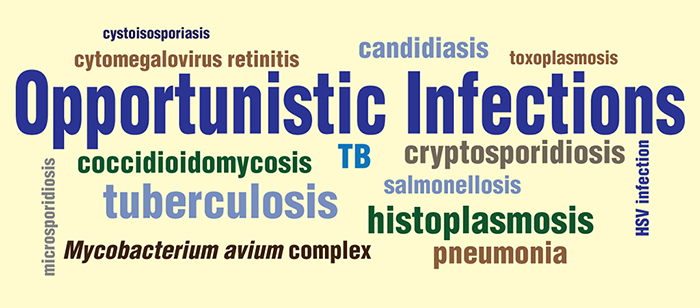
Is histoplasmosis an opportunistic infection?
In Latin America, for example, histoplasmosis is one of the most common opportunistic infections among people living with HIV, and approximately 30% of HIV/AIDS patients diagnosed with histoplasmosis die from it. Histoplasmosis is reportable in certain states.
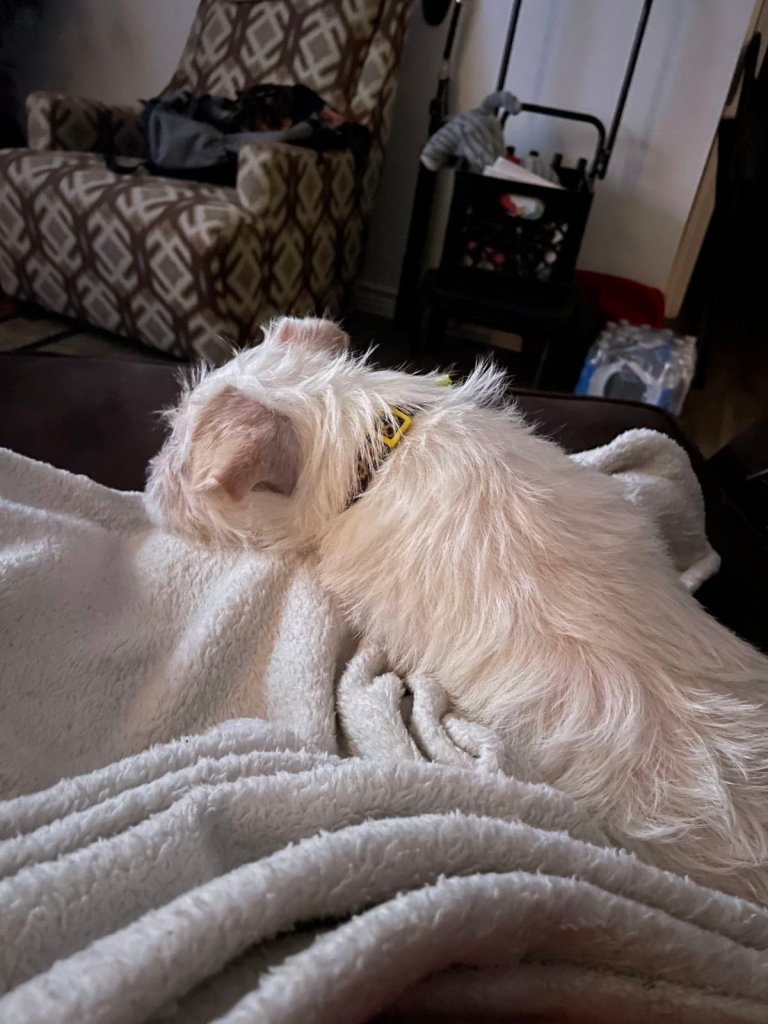
A year ago I received a message from a friend about taking a dog that her daughter did not want anymore. I was hurting from my previous pet. Blu was his name and Goldie was his wife. i was very attached to my babies. We had been through a lot. I had been ejected from my previous relationship and out of spite he gave my dogs to the pound. Yes it hurt. So when I got this text, no questions asked i took her. I was very depressed at the time and lonely. So Yoshi…That’s her name, came in right on time. I was broken and felt discarded. When Yoshi came into my life she needed me and I her. I started getting up in the morning. I was always chasing her around and hiding shoes that survived her attacks. All my show were on the dresser. Lord have mercy! It was like having a 2 year old. Though frustrated at times I still needed her. I was in weeping spells and she would lay across my lap and go to sleep. We’d wake up the next morning and go through the madness all over again. This literally ran me up and out of depression. Even no when I have my bouts she is there. When no one is visiting and calling I am still ok because it’s me and Yoshi.










 Salvation After HIV/AIDS