

| September 24, 2024 Dear Colleague, September 27 is National Gay Men’s HIV/AIDS Awareness Day (NGMHAAD), a day when we reaffirm our commitment to ending the disproportionate impact of HIV on gay and bisexual men in the United States. Recently, encouraging progress shows declines in new infections among gay and bisexual men overall, as well as among many sub-groups most affected by HIV. However, gay and bisexual men continue to be most affected by HIV. Of the 31,800 estimated new HIV infections in the United States in 2022, 67% (21,400) were among this group. In 2022, almost half (47%) of new HIV infections among gay and bisexual men were in the South, and nearly 3/4 (73%) of those were among Black/African American and Hispanic/Latino men. The annual number of estimated new HIV infections in 2022 compared to 2018 shows an overall decrease among gay and bisexual men of 10%. Age-specific trends reveal a 31% decrease among all young gay and bisexual men ages 13-24, and by region, a 16% decrease among gay and bisexual men who live in the South. Among Black/African American gay and bisexual men, there was a significant overall decrease of 16%, including a 26% reduction among young Black/African American men aged 13-24. Similarly, among white gay and bisexual men, there was a 20% overall decrease, including a 39% reduction among young white men aged 13-24. Cases among Hispanic/Latino gay and bisexual men remained stable, indicating a need for better understanding of the situation and improved support. Although progress is being made, it has been uneven, and we should ensure we decrease inequities while we reduce new infections and help people access treatment. Pre-exposure prohylaxis (PrEP) is a key tool in continuing to reduce new HIV infections, and recent surveillance data from the National HIV Behavioral Surveillance (NHBS) system show increases in PrEP awareness and use among a survey of gay and bisexual men. From 2017 to 2023, the percentage of gay and bisexual men who were aware of PrEP increased from 85% to 93%, and PrEP use among gay and bisexual men increased from 25% to 45%. Overall increases in PrEP prescriptions among people who could benefit show that, since the implementation of Ending the HIV Epidemic in the U.S. in 2019, the number of people in the U.S. who have been prescribed PrEP has increased. Even so, the reach of this strategy is far from equal, and substantial racial and ethnic disparities persist. Although Black/African American gay and bisexual men and Hispanic/Latino gay and bisexual men reported increases in PrEP awareness and use over the same period, more culturally and linguistically appropriate access to HIV testing and prevention services is needed, including PrEP and post-exposure prophylaxis (PEP). We must work to eliminate HIV stigma and other barriers to compassionate, culturally competent HIV care. To address these disparities, CDC is launching PrEPared/PrEParado, a new social marketing initiative under CDC’s Let’s Stop HIV Together campaign to increase PrEP uptake and maintenance among Black/African American and Hispanic/Latino gay and bisexual men in the South. PrEPared aims to encourage conversations about PrEP between Black/African American and Hispanic/Latino gay and bisexual men and their providers, increase the numbers of providers prescribing PrEP, and increase the number of Black/African American and Hispanic/Latino gay and bisexual men in the South who get and stay on PrEP. In the coming months, CDC will partner with health departments and local partners across the South for co-implementation of the initiative. To address HIV-related disparities among gay and bisexual men, CDC has funding available to support health departments in implementing comprehensive HIV prevention and surveillance programs, including focused interventions for gay and bisexual men, like doxycycline post-exposure prophylaxis (doxy PEP) for prevention of bacterial sexually transmitted infections (STIs), and also provides funding opportunities to support community-based organizations focused on HIV testing, prevention, and linkage to HIV treatment among this key population. CDC has also funded Emory University and partners to launch Together TakeMeHome (TTMH), a nationwide program to expand distribution of HIV self-tests directly to consumers by mail. In the first year, from March 14, 2023, through March 13, 2024, the program distributed 443,813 tests to 219,360 people. Among those who responded to a post-order questionnaire, 44% (75,295) were gay and bisexual men. These data suggest that distributing HIV self-tests by mail can reach large numbers of people, many who have never taken an HIV test or have not been tested as often as recommended. CDC’s Let’s Stop HIV Together campaign offers valuable resources to support national HIV prevention efforts. Let’s Stop HIV Together is an evidence-based campaign created in English and Spanish that aims to empower communities, partners, and health care providers to reduce HIV stigma and promote HIV testing, prevention, and treatment. If you are a clinician and want to learn more about prescribing PrEP or find resources to share with your patients, visit our HIV Nexus. To help us promote NGMHAAD this year, download and share our many resources on PrEP and share social media content from CDC’s digital toolkit using the #NGMHAAD hashtag. Together, we can all work to reduce HIV-related disparities among gay and bisexual men and continue our hard-earned progress toward ending the HIV epidemic in the United States. Sincerely, /Robyn Fanfair/ Robyn Neblett Fanfair, MD, MPH Captain, USPHS Division Director Division of HIV Prevention National Center for HIV, Viral Hepatitis, STD, and TB Prevention Centers for Disease Control and Prevention www.cdc.gov/hiv /Jonathan Mermin/ Jonathan Mermin, MD, MPHRear Admiral, USPHS (Ret.) Director National Center for HIV, Viral Hepatitis, STD, and TB Prevention Centers for Disease Control and Prevention Stay connected: @DrMerminCDC & Connections |
|---|




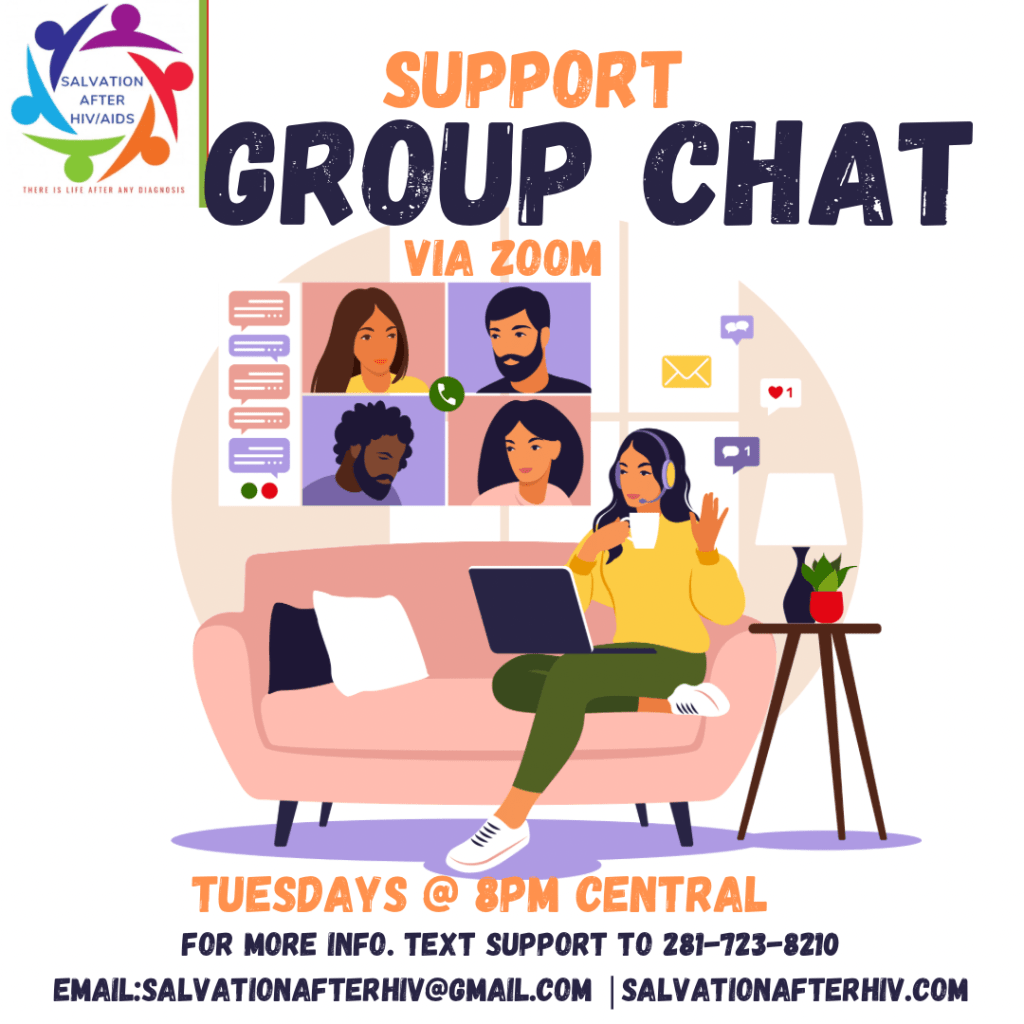

 Salvation After HIV/AIDS